

From Sustainability to Regeneration: A New Training Course from Fit for the Future
How can organisations respond to today’s challenges and become more inclusive, resilient and future-ready? The European Fit for the Future project offers a practical answer through a comprehensive online training programme designed for professionals, managers, trainers and organisations. The training material is available online and consists of eight thematic modules connecting sustainability, systems thinking, diversity […]
Your Experience Matters: Join the EU FOODPACT Agri-Food Survey
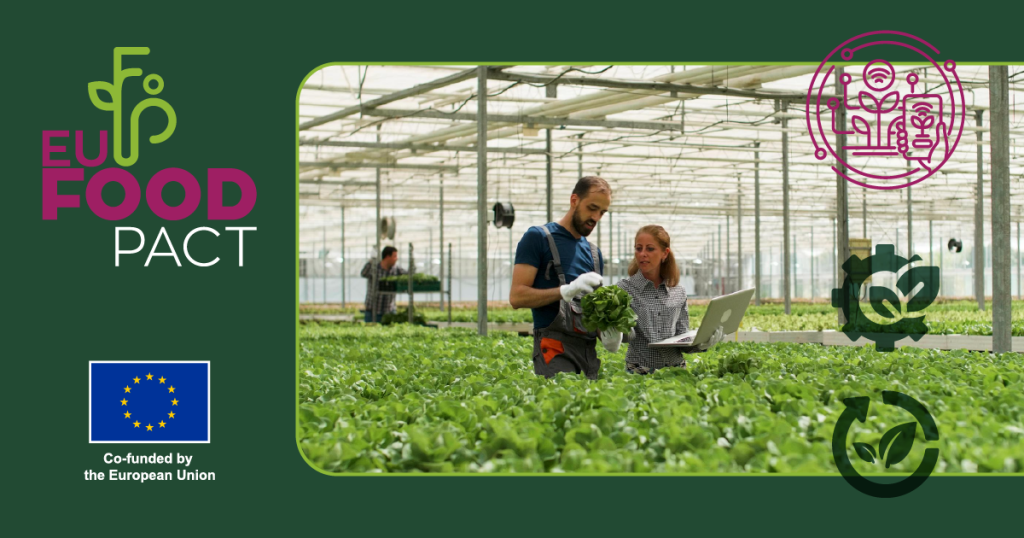
The Greek agri-food sector is built on businesses that combine tradition, local knowledge and innovation. Today, however, these businesses are also being called upon to adapt to new environmental requirements, digital developments and changing market needs. As a partner of the European project EU FOODPACT, EMVIO is currently inviting Greek micro, small and medium-sized enterprises […]
CARE-ABILITY: Turning Care Skills into Practical Learning

Training in the care sector cannot be limited to theory. Skills such as effective communication, safe support, privacy protection and the management of everyday situations need to be understood and applied confidently in practice. This is the approach behind the CARE-ABILITY training programme, which is currently being developed to create accessible and meaningful learning pathways for migrant women […]
CARE-ABILITY: From Best Practices to Dialogue Across Europe
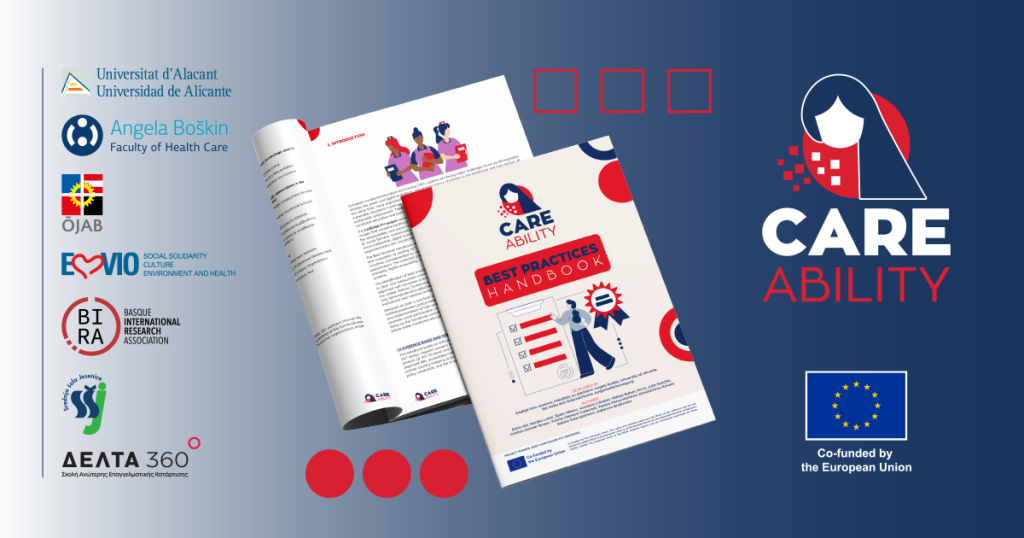
How can vocational education become more accessible to migrant women while responding to Europe’s growing need for skilled professionals in the care sector? This is one of the central questions addressed by CARE-ABILITY, an Erasmus+ project working to create more inclusive and flexible pathways into social and healthcare professions for migrant women. Over the past months, the project […]
DAMET Partners’ Meeting in Patras
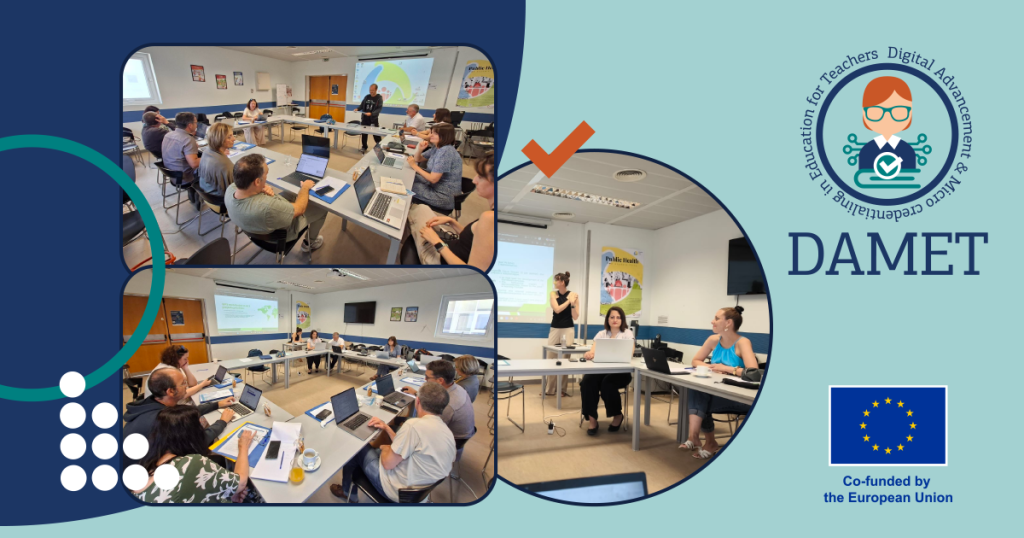
On 2 and 3 July, we had the pleasure of welcoming the DAMET project partners to Patras for the project’s second Transnational Project Meeting. Over the course of two days, we discussed the progress of the project activities, exchanged ideas and planned the next steps. Particular attention was given to the development of the DAMET training programme, its six […]
EMVIO’s Participation in the Fit for the Future LTTA in Leipzig
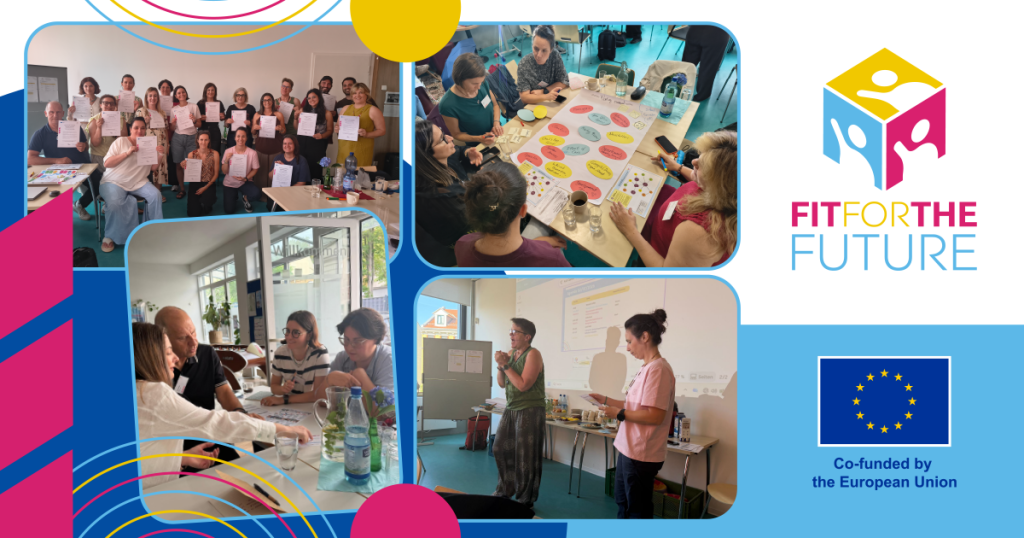
On 30 June and 1–2 July 2026, the Learning, Teaching and Training Activity of the Fit for the Future project took place in Leipzig, Germany, with the participation of employees, managers and team leaders from various organisations and companies from Greece, Cyprus, France, Italy, Germany and Portugal. The training activity provided an important opportunity to exchange knowledge, practices and […]
A Practical Tool from ACCESS for Parents of Children with Learning Difficulties
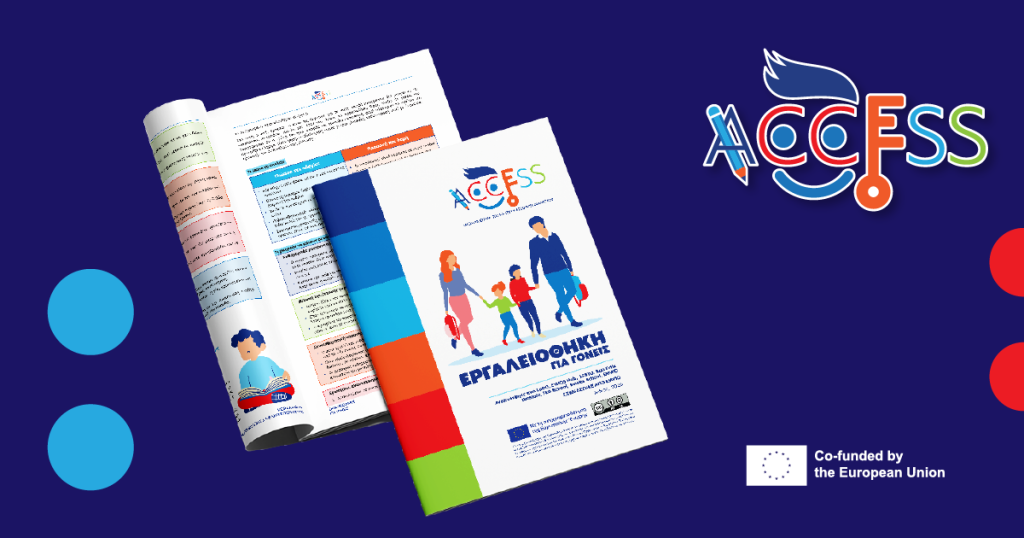
A new practical tool for parents who want to better understand and effectively support children with learning difficulties is now available in Greek through the European ACCESS project. The Toolkit for Parents is now freely accessible through the project’s official website. Its aim is to provide parents with simple, clear, and practical guidance on how […]
EU FOODPACT Launches in Reus
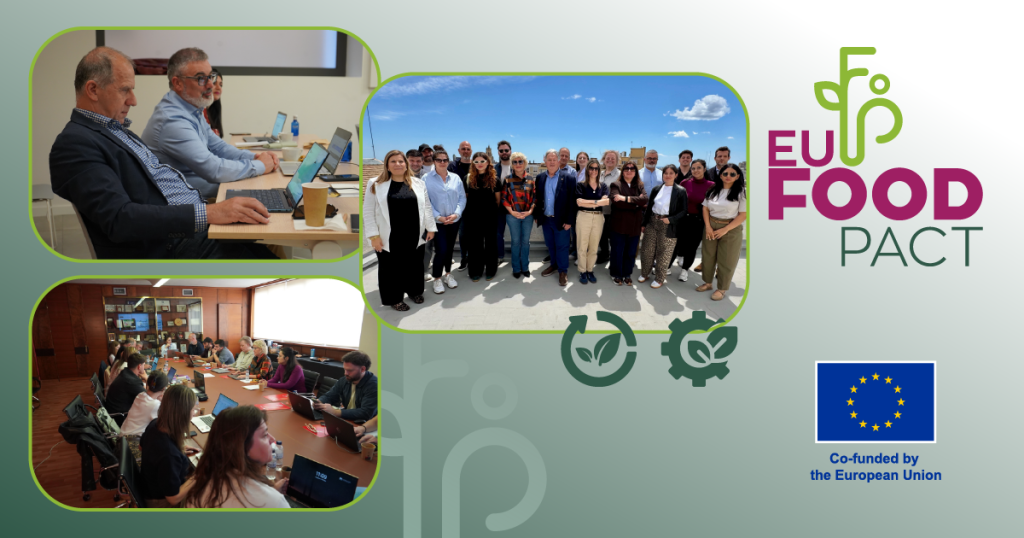
The EU FOODPACT project officially began with its first Transnational Project Meeting, held in Reus, Spain, on 13–14 May 2026. Hosted by the Reus Chamber of Commerce, the meeting marked the first important opportunity for the partners to meet in person and lay the foundations for their collaboration over the next three years. EU FOODPACT was created in […]
Toolkit for Students because gaming also needs balance
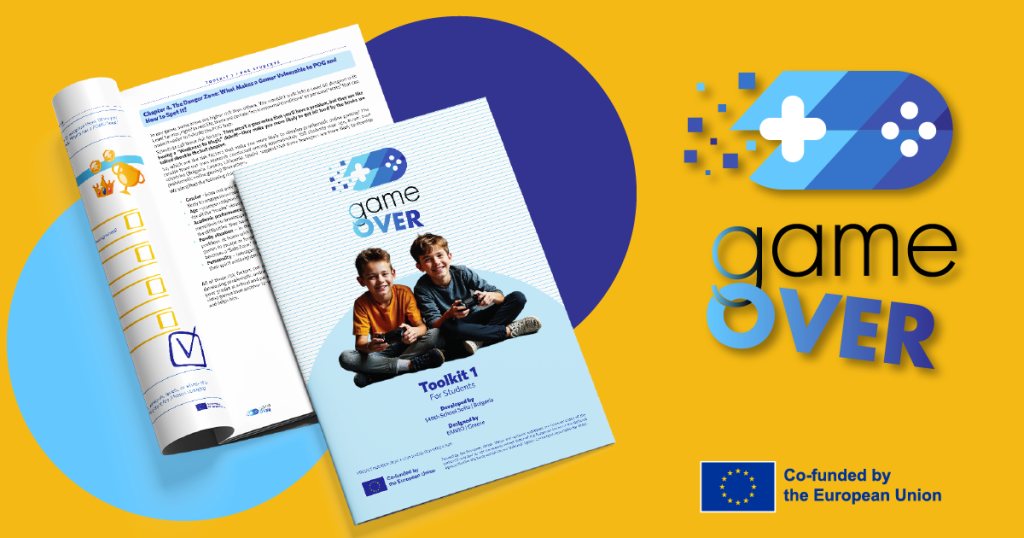
Online gaming is now part of young people’s everyday lives. It is entertainment, communication, creativity, cooperation and often a way to relax after a difficult day. But there is another side. What happens when “one more game” turns into three hours? When sleep is reduced, schoolwork falls behind, or offline friends slowly start to disappear […]
Fit for the Future: New Tools and Insights in Newsletter #2
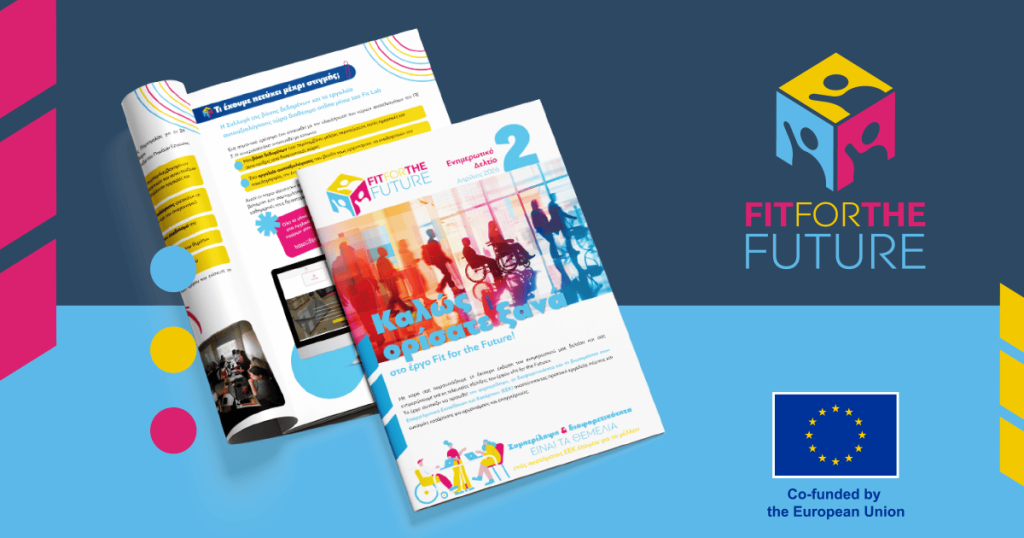
The Fit for the Future project continues to gain momentum, as highlighted in its second newsletter, presenting key developments that move the initiative closer to its goal: building more inclusive and sustainable VET environments. A major milestone was the 2nd Transnational Project Meeting in Aveiro, where partners reviewed progress on Work Package 2. Discussions focused on the development […]
